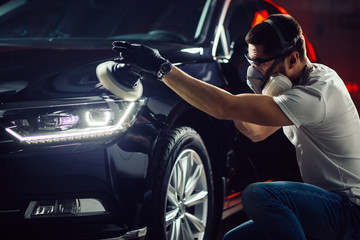
When it comes to car care, the term “detailing” is often thrown around, but many people don’t realize that detailing is more than just a car wash. It’s a meticulous cleaning process that restores a vehicle’s appearance and protects it from wear and tear. Detailing is generally divided into two main categories: interior detailing and exterior detailing. While both aim to enhance the vehicle’s condition, they differ in techniques, products, and goals. Understanding the distinction between interior and exterior detailing can help car owners make informed decisions about maintaining their vehicles and preserving their value. Click Here for more details.
What Is Car Detailing?
Car detailing is a comprehensive cleaning process that goes beyond standard car washing. While a typical car wash focuses on removing dirt and debris, detailing involves deep cleaning, restoration, and protection of every part of the vehicle. Detailing can be broken down into two main aspects: interior detailing and exterior detailing. Each focuses on specific areas of the car and requires specialized tools, products, and expertise.
Detangling the specifics of interior and exterior detailing helps car owners understand what services they are paying for and ensures that every part of the vehicle is properly maintained.
Exterior Detailing: Cleaning and Protecting Your Vehicle’s Outside
Exterior detailing refers to the process of cleaning, restoring, and protecting the outside of a vehicle. It addresses the visible parts of the car, such as the paint, wheels, tires, windows, and other external surfaces. The primary goal is to remove dirt, contaminants, and imperfections while protecting the surfaces from future damage.
Key Steps in Exterior Detailing
- Washing
- Exterior detailing begins with a thorough wash to remove dirt, dust, and road grime. Detailing professionals use specialized car shampoos and microfiber cloths to prevent scratches and swirls on the paint.
- Claying
- A clay bar is often used to remove embedded contaminants that are not eliminated by washing alone. These contaminants can include tree sap, tar, and industrial fallout that stick to the paint surface.
- Polishing
- Polishing helps remove minor scratches, swirl marks, oxidation, and other imperfections. This step restores the paint’s clarity and gloss, giving the car a freshly finished look.
- Waxing or Sealing
- Applying wax or a paint sealant protects the car’s paint from environmental damage. This layer creates a hydrophobic barrier, which helps repel water, dust, and contaminants while enhancing the car’s shine.
- Wheel and Tire Care
- Wheels and tires often collect brake dust, dirt, and road grime. Detailing involves cleaning, polishing, and protecting them using tire cleaners, brushes, and tire dressings.
- Glass and Chrome Cleaning
- Windows, mirrors, and chrome accents are polished and cleaned to improve visibility and aesthetics. Special glass cleaners ensure streak-free results.
Benefits of Exterior Detailing
- Protects Paint: Waxing and sealing create a protective layer that reduces damage from UV rays, acid rain, and contaminants.
- Enhances Appearance: Polishing and buffing remove imperfections, making the vehicle look newer and well-maintained.
- Increases Resale Value: A clean, glossy exterior reflects proper care, which can increase resale or trade-in value.
- Prevents Long-Term Damage: Regular detailing prevents corrosion, fading, and surface damage that could become costly over time.
Interior Detailing: Restoring Cleanliness Inside the Vehicle
While exterior detailing focuses on the outside of the car, interior detailing targets the cabin and all interior components. The interior is often exposed to dirt, spills, food crumbs, dust, and oils from human skin, making deep cleaning essential for both aesthetics and hygiene.
Key Steps in Interior Detailing
- Vacuuming
- Interior detailing starts with vacuuming carpets, seats, floor mats, and hard-to-reach crevices. This removes loose dirt, debris, and dust particles.
- Cleaning Surfaces
- All interior surfaces, including the dashboard, center console, door panels, and vents, are cleaned using appropriate products. Microfiber cloths and gentle cleaners prevent damage to delicate surfaces.
- Carpet and Upholstery Cleaning
- Carpets and upholstery are shampooed to remove stains, odors, and embedded dirt. Steam cleaning is sometimes used for deep sanitation, especially for fabric or cloth seats.
- Leather Care
- Leather seats and surfaces are cleaned using specialized leather cleaners and conditioners. Conditioning keeps leather supple and prevents cracking over time.
- Glass Cleaning
- Interior windows are cleaned to remove smudges, fingerprints, and streaks that can reduce visibility.
- Odor Removal
- Ozone treatments or air fresheners may be applied to eliminate lingering odors caused by smoke, food, or pets.
Benefits of Interior Detailing
- Improves Hygiene: Thorough cleaning removes bacteria, allergens, and mold that can accumulate inside the vehicle.
- Enhances Comfort: A clean interior makes driving more pleasant and reduces stress from clutter and odors.
- Maintains Interior Surfaces: Leather conditioning and carpet cleaning prolong the life of interior materials, preventing premature wear.
- Preserves Resale Value: A spotless interior signals to potential buyers that the vehicle was well-cared-for, enhancing its market value.
Key Differences Between Interior and Exterior Detailing
Although interior and exterior detailing share the common goal of maintaining and restoring a vehicle, their focus, techniques, and products differ significantly. Understanding these differences helps car owners decide which services are most suitable for their needs.
AspectExterior DetailingInterior Detailing
Focus Paint, windows, wheels, tires, chrome, and trim Dashboard, seats, carpets, mats, vents, headliner, and interior glass
Purpose Clean, restore, and protect the vehicle’s exterior surfaces Clean, sanitize, and restore the vehicle’s interior surfaces
Techniques Washing, claying, polishing, waxing, sealants, tire dressing Vacuuming, shampooing, steam cleaning, leather conditioning, dusting
Products Used Car shampoo, clay bars, polish, wax, tire dressing, glass cleaner Upholstery cleaner, leather conditioner, carpet shampoo, interior protectants, odor eliminators
Frequency Every few months or as needed depending on exposure to elements Often more frequent, especially if the car is used daily or has passengers
Why Both Types of Detailing Are Important
Neglecting either the interior or exterior can negatively affect your vehicle over time. While a car may look stunning on the outside, a dirty, smelly, or worn interior can make it uncomfortable to drive and decrease its value. Similarly, a spotless interior loses its appeal if the paint is faded, scratched, or dirty.
Longevity and Protection
Regular exterior detailing prevents rust, oxidation, and paint damage caused by environmental factors. Interior detailing protects surfaces from stains, fading, and odors, ensuring the cabin remains clean and functional.
Health and Comfort
Interior detailing also has a direct impact on health and comfort. Dust, allergens, and bacteria can accumulate in carpets and upholstery, which can aggravate allergies or respiratory conditions. A clean interior ensures a safer and more comfortable environment for both drivers and passengers.
Resale Value
Vehicles that are well-maintained both inside and out command higher resale value. Buyers are willing to pay more for a car that looks and smells new, has glossy paint, and has a spotless, odor-free interior.
Choosing the Right Detailing Service
When choosing a detailing service, it’s important to consider the type of service needed, the vehicle’s condition, and your budget. Some detailing shops offer full-service packages that include both interior and exterior detailing, while others specialize in one area.
Full-Service Detailing
A full-service detailing package addresses both interior and exterior needs, providing comprehensive care. These packages are ideal for owners looking to maintain the overall appearance and value of their vehicle.
Specialized Detailing
For vehicles that are primarily affected by one type of damage, specialized detailing may be more suitable. For example, a car exposed to heavy traffic, dust, and weather elements may benefit more from exterior detailing, while a family car with children or pets may require frequent interior detailing.
DIY vs. Professional Detailing
While some car owners choose to detail their cars themselves, professional detailing provides a higher level of care. Professionals have access to specialized tools, high-quality products, and advanced techniques that ensure a thorough clean without damaging the vehicle.
Conclusion
In summary, interior and exterior detailing serve different but equally important roles in maintaining a vehicle. Exterior detailing focuses on cleaning, restoring, and protecting the vehicle’s outer surfaces, while interior detailing addresses the cabin, ensuring cleanliness, hygiene, and comfort. Both forms of detailing not only enhance the vehicle’s appearance but also protect its value and longevity.
Understanding the difference between interior and exterior detailing helps car owners make informed choices about maintenance schedules and services. Whether you are preparing your car for resale, a special event, or simply want to enjoy a cleaner, more comfortable ride, investing in both interior and exterior detailing is essential for comprehensive car care.
Regular detailing keeps your vehicle looking new, feeling fresh, and retaining its value for years to come. The next time you consider professional car care, remember that a truly well-maintained car requires attention both inside and out.