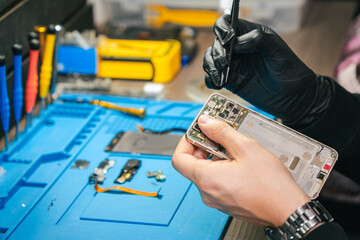
Water and electronics do not get along well. Even a single drop in seawater or chlorinated water can do serious damage, despite your phone’s IP rating.
Immediate reaction and proper diagnosis are the keys to premium cell phone repair. Start by blotting the outside of your phone with a soft lint free cloth to lift surface moisture away from seams and ports without pushing it deeper into the device. Contact Cell Phone Screen Repair Colorado Springs for more information.
1. Remove the Battery
When it comes to liquid damage, the first thing to do is remove any power sources from the device. Whether it’s the charger or the battery, removing them will prevent further harm and allow you to evaluate the condition of your device and its components.
If the battery can still hold a charge, jumpstarting it can revive it and make your phone function again. Connect the positive wire to the positive terminal of a 9-volt battery and the negative to the negative terminal. Make sure the wires are not touching each other or opposite polarity, since this can short out the battery. Leave the connection for a minute or so and check your cell phone battery for heat or any other signs of trouble.
You can also try recalibrating the battery by draining it completely, then charging it to 100% without interruptions. This may help solve battery-related issues, such as a low screen brightness or timeout settings that prevent the battery from fully charging.
The best solution for most water-damaged smartphones is to have an authorized service center swap the battery. Most smartphone manufacturers use plenty of adhesive to improve the device’s water resistance, which restricts easy access to the battery and other internal components. This is a good thing, as it protects your device from potential damage, but it also makes the repair process more difficult and expensive.
Fortunately, some brands have begun to sell genuine replacement batteries directly to end-users. These are typically more affordable than buying a new smartphone, and they also keep e-waste out of landfills. If you’re interested in DIY repairs, consider purchasing a kit from an online store such as iFixit to get the tools you need for a successful battery replacement.
Another option is to have a professional repair service replace the battery and check for any corrosion on the pins that connect it to the motherboard. Moisture trapped in these connections can lead to malfunction, so it’s important to dry them thoroughly with a cotton swab dipped in rubbing alcohol. You can also place the battery in a sealed plastic bag filled with silica gel packets to ensure it stays dry and avoid any additional damage.
2. Remove the Case
Phone cases can be a great way to protect your smartphone. But they can also be a real pain when you’re trying to remove one, especially if the case has been through some hard drops. It can be difficult to apply enough pressure to take the case off without sending the phone flying or destroying anything else. Using a prying tool, such as a credit card or your fingernail, can help. Start in the bottom corner of the case, which is the furthest from any buttons on the side of the phone. Apply gentle pressure and wiggle the prying tool to separate the case from the phone.
3. Clean the Screen
A smartphone is your constant companion, and it’s bound to pick up a few lingering smudges throughout the day. Studies show that smartphones are dirtier than toilet seats, so keeping yours clean can help prevent spread of germs and bacteria. It’s a simple matter of wiping down the case, buttons and screen with a slightly moistened lint-free cloth.
Avoid rubbing alcohol, products made with straight alcohol and harsh cleaners that might damage the protective coating on your phone’s screen or leave streaks behind. Instead, choose a safe disinfectant wipe or distilled water to use as your cleaning solution. If you’re using a spray bottle to apply your cleaner, be sure to only lightly mist the cloth. You don’t want to oversaturate it, or you could leave behind marks on the display and even water in places that aren’t waterproof like the ports and camera lens.
When you’re ready to start scrubbing away at your device, be sure to keep the power off and remove the case if you have one. Don’t attempt to turn it on or open any apps, and don’t try to re-install your SIM card or MicroSD cards in the SD slots, which might trap moisture inside the ports.
Don’t try to blow the water out with a can of compressed air, either; you may just force it deeper into the device and void your warranty in the process. And don’t try to use your mouth to blow out any remaining drops; this method risks corroding the sensitive electronics on the inner mainboard.
Finally, don’t stuff your device in a bag of rice; the starchy grains may cling to delicate electronics and corrode their circuitry. And definitely don’t attempt to dry it with a blow dryer, as that could overheat the device and ruin it forever. If you’ve dropped your phone in the pool or sat it in a cup of coffee, call your local uBreakiFix by Asurion store and stop by for professional water damage repair. Our tech experts use specialized techniques to ensure there’s no more moisture left in your device and that it won’t be permanently damaged or fried.
4. Dry the Phone
Regardless of how the phone got wet — whether it slipped out of your hands at a pool or fell into the tub while you were washing dishes — it’s best to remove it from water as soon as possible. That will slow down the damage from impurities and salts that could speed up corrosion of circuitry inside the phone. It’s also a good idea to rinse it with clean water, which is especially important for a device that was exposed to seawater or chlorinated pool water.
Once you’ve removed the phone from the water, power it off right away to contain any moisture that might have made its way into a port or other inlets. It’s also a good idea not to try pressing buttons or loading apps on the phone at this point, because doing so can push moisture deeper into internal components and possibly cause further issues.
If you can, remove the case and battery and wipe down the rest of the phone with a dry, absorbent cloth or tissue. You might also want to use a can of compressed air to blow out any water that has settled in the charging port or other ports. However, you should not use your mouth to blow out the device, as this can also push water deeper into ports and could even damage the inner components if the moisture isn’t blown out of the device in a controlled fashion.
It’s generally a good idea to set the disassembled phone aside in a jar filled with raw rice or silica gel to fully soak up any remaining moisture and let it sit for several days before you try to test it out again. You should also avoid plugging the device into a charger or using any other type of powered equipment at this time, as doing so can risk electrical short-outs and fires.
It’s also a good idea to invest in a pack of those little packets of synthetic desiccants that are often packed with electronics. These can be much more effective than rice in drying out the inner components of a wet smartphone, and they’re far less messy.